
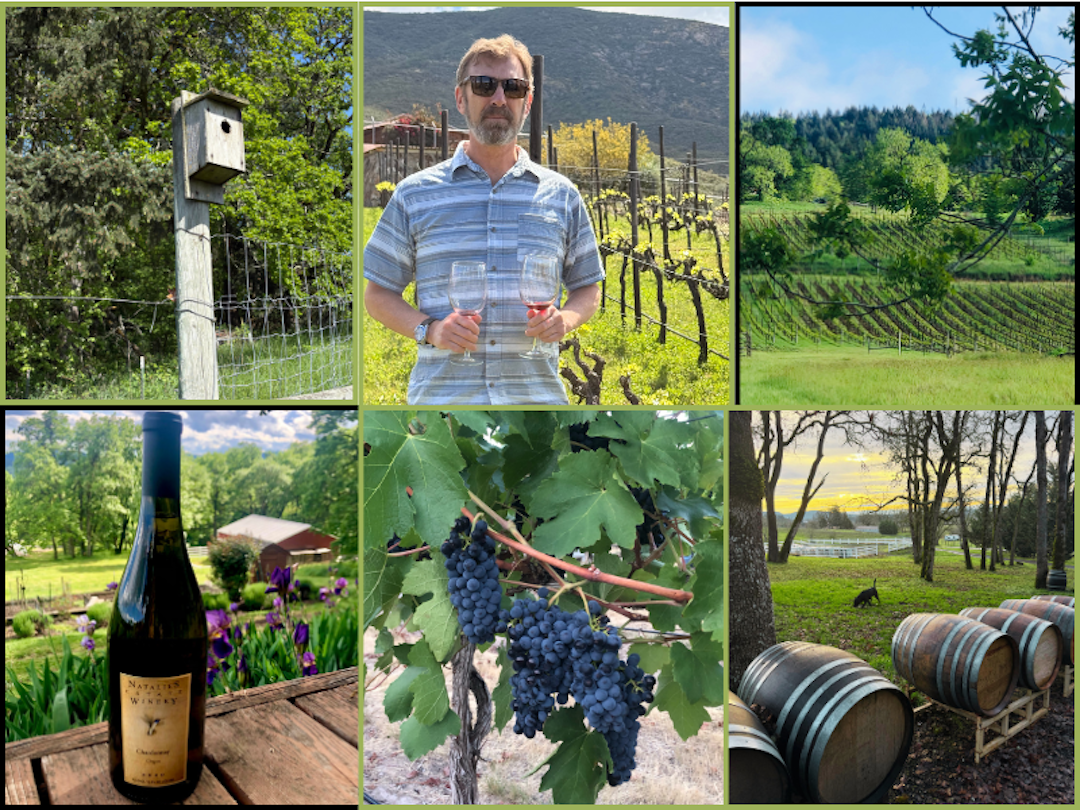
At Natalie’s Estate Winery, sustainability is not a trend or marketing phrase. It is part of how we care for the land every single day. Our vineyard sits in the heart of Oregon wine country, surrounded by the natural beauty of the Willamette Valley, and we believe it is our responsibility to protect and nurture this environment for future generations.
Sustainable farming is about balance. Healthy soil supports healthy vines, healthy vines produce expressive fruit, and great fruit becomes exceptional wine. Every decision we make in the vineyard is guided by long-term stewardship and respect for the ecosystem around us.
Regenerative Farming in the Vineyard
At Natalie’s Estate Winery, we embrace regenerative farming practices as part of our commitment to long-term vineyard health and sustainability. Regenerative farming focuses on improving soil health, supporting biodiversity, conserving resources, and creating a healthier ecosystem over time.
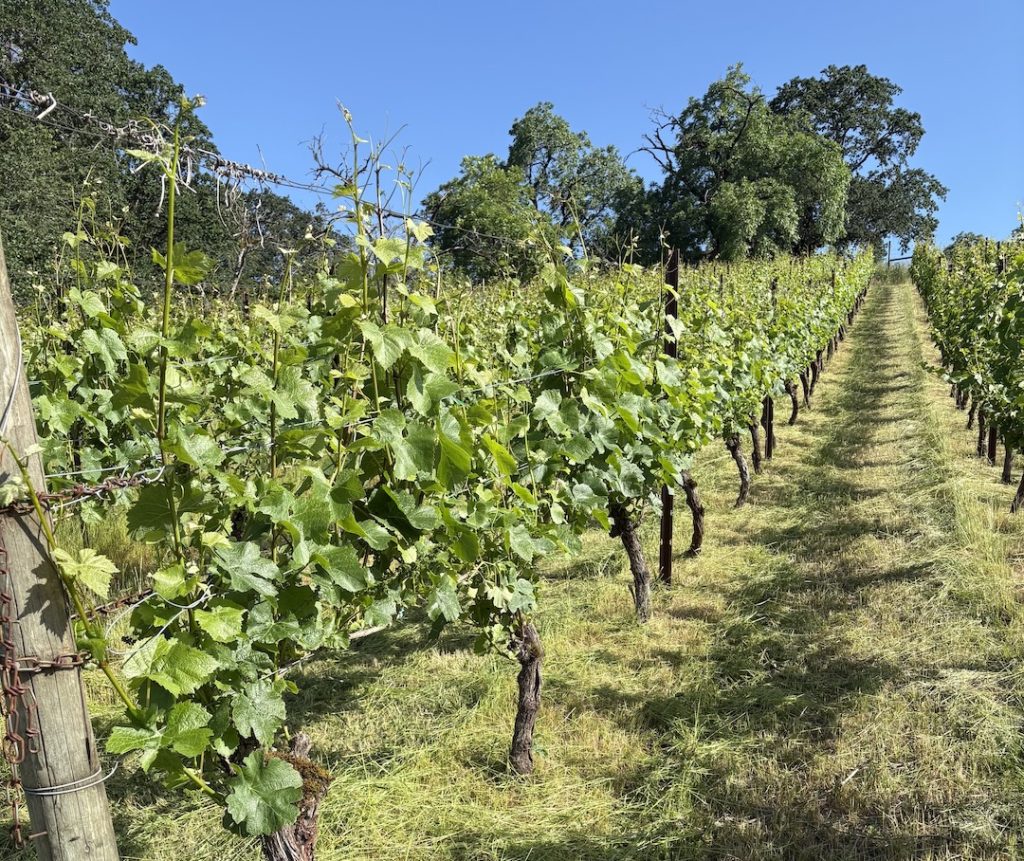
One of the most important regenerative practices we use is no-till farming. Traditional tilling can disrupt soil structure, increase erosion, and reduce beneficial microbial life underground. By minimizing soil disturbance, we allow the vineyard ecosystem to remain healthier and more balanced naturally.
No-till farming helps preserve moisture in the soil, reduces runoff during Oregon’s rainy seasons, and encourages deeper root systems for the vines. Stronger roots allow vines to better adapt to weather fluctuations and produce fruit with greater concentration and character. Over time, healthier soils create healthier vineyards.
We have shared more about this approach in our blog on no-till farming practices and why protecting soil health matters so deeply to our vineyard philosophy. You can read the blog here.
In addition, we hand-mow the grass between the vine rows and weed-whack in between the plants. This allows for increased airflow to reduce powdery mildew and keeps weeds from growing, without the use of harmful chemicals.
Our regenerative farming efforts also include preserving the vineyard’s natural surroundings. Approximately half of our property remains uncultivated as a natural habitat for wildlife, native plants, birds, and beneficial insects. These natural areas help support biodiversity and create ecological balance throughout the property.
For us, regenerative farming begins beneath the surface. The soil is alive, and protecting it is essential to producing high-quality, expressive wines from our estate vineyard.
Supporting Vine Health Naturally
Sustainable farming also means being intentional about what we apply in the vineyard. Our spray program focuses on supporting the vines while minimizing unnecessary inputs.
We use PureGreen spray as part of our vineyard management program to help combat mites and powdery mildew. Powdery mildew can be a major challenge in Oregon vineyards, especially during certain growing conditions. This is an effective, gentler, and more targeted tool than many conventional alternatives.
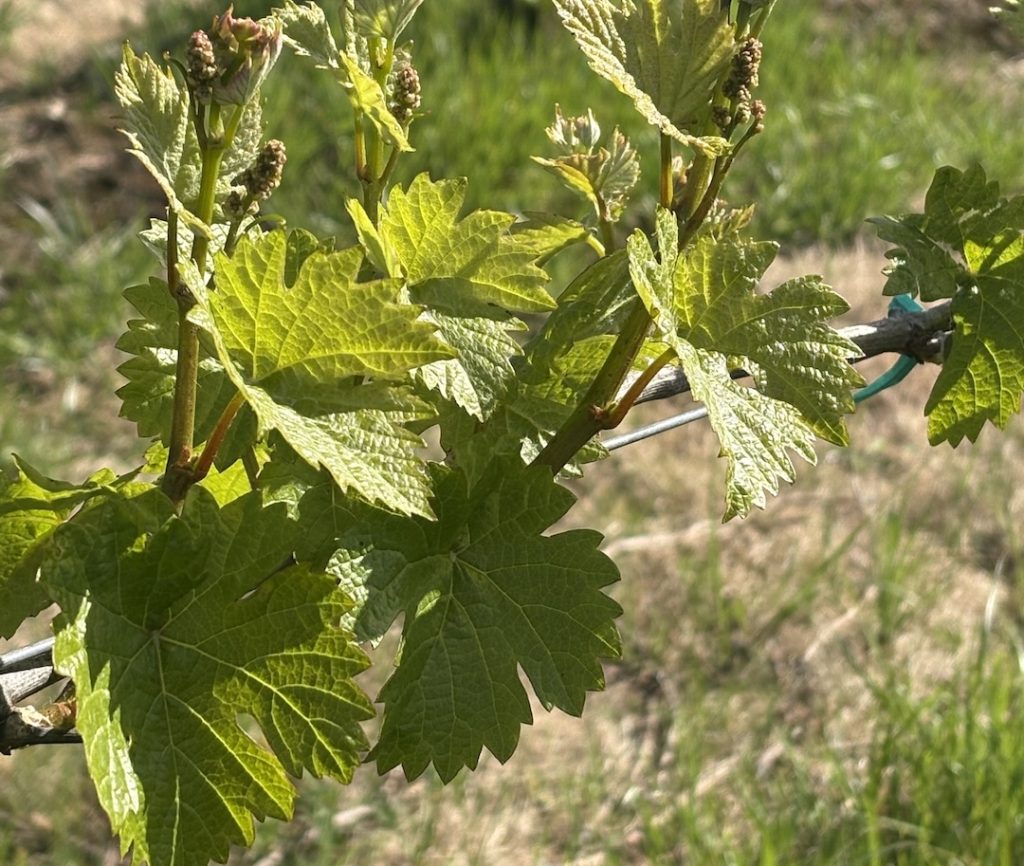
To support vine development during flowering, we apply Boron, an essential micronutrient that plays a critical role in plant health and fruit set. Healthy flowering is an important stage in the vineyard because it directly impacts grape development later in the season.
We also use Kelp applications as a natural nutrient booster for the vines. We often describe it as a “multivitamin” for the vineyard. Kelp contains trace minerals, natural growth stimulants, and nutrients that help support overall vine vitality and resilience throughout the growing season.
Rather than taking a heavy-handed approach, we focus on giving the vines the support they need to thrive naturally and sustainably.
Encouraging Biodiversity in the Vineyard
A healthy vineyard is about more than just grapevines. Sustainability means creating an environment where nature works together in balance.
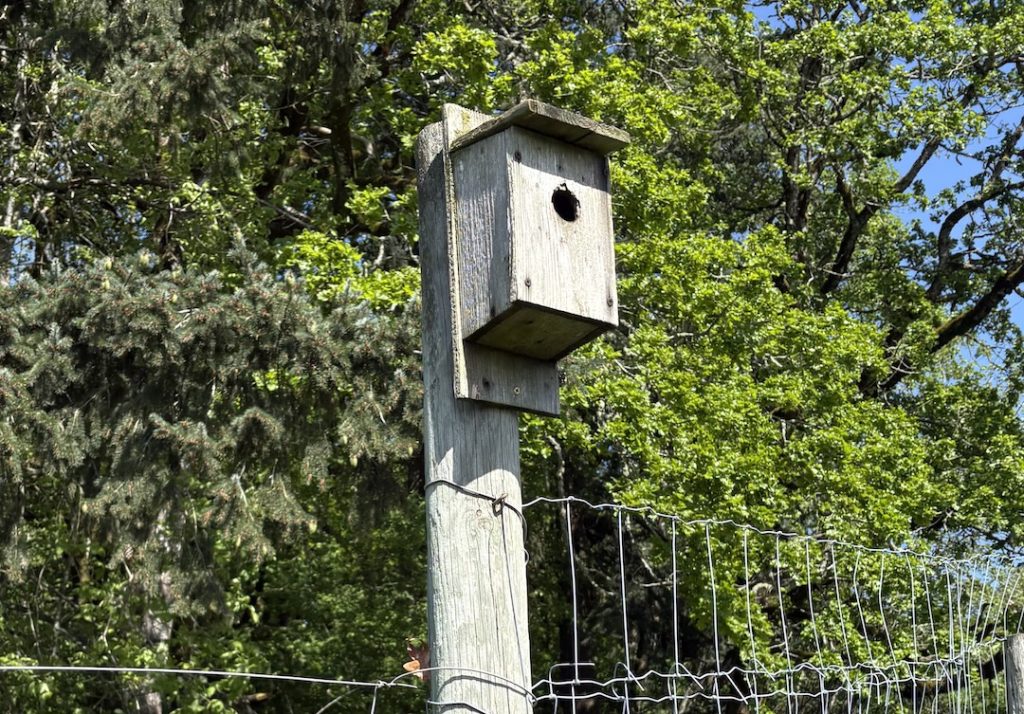
One of our favorite examples of this is the bluebird boxes placed throughout the vineyard. Bluebirds are beautiful to see among the vines, but they also serve an important purpose. These birds help naturally control insect populations, reducing the need for additional interventions in the vineyard.
The presence of birds, pollinators, and beneficial insects is a sign of a healthy ecosystem. By encouraging biodiversity, we create a more balanced environment that supports both the vineyard and the surrounding landscape.
These small but meaningful practices help us farm more thoughtfully while preserving the beauty and health of the property.
Sustainability in Every Glass
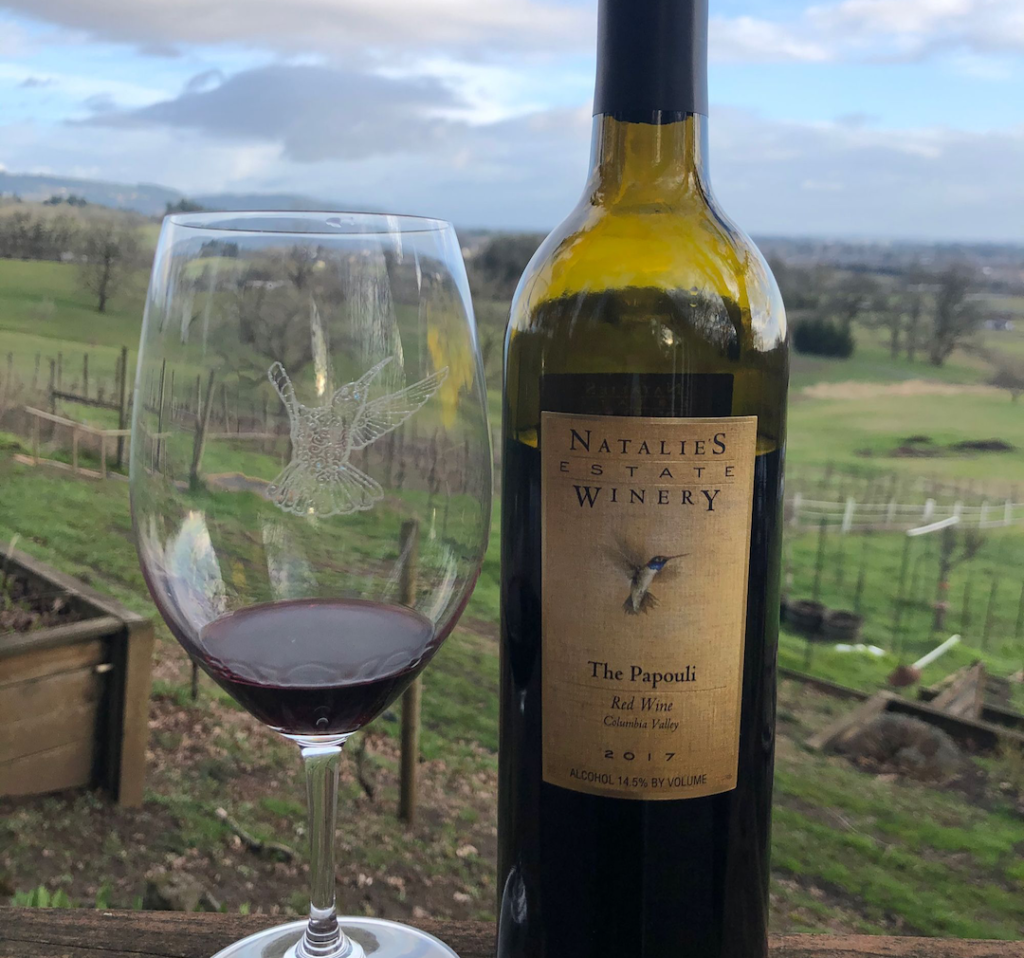
When guests visit Natalie’s Estate Winery for a tasting experience, they often see the finished product — the wine in the glass. But behind every vintage are countless decisions made throughout the year in the.
Our commitment to regenerative farming and sustainable winery practices in Oregon shapes the personality of our wines. Healthy vines, healthy soils, and balanced farming practices allow the vineyard to express itself naturally in every bottle.
As a family-owned winery in Oregon, we believe sustainability is about caring for the land today while protecting it for future generations of farmers, winemakers, and wine lovers.
We are proud to farm thoughtfully, work with nature, and continue to grow wines that reflect both the vineyard and our values.
Experience it for Yourself
Experience the beauty of Oregon wine country and taste the results of thoughtful, regenerative farming firsthand at Natalie’s Estate Winery. From our no-till farming practices to the preservation of natural wildlife habitats throughout the property, every bottle reflects our commitment to caring for the land.
We invite you to join us for a personalized tasting experience and discover how sustainability shapes the character of our wines.
Schedule your tasting experience here:
Book a Tasting at Natalie’s Estate Winery
Learn more about our wines and vineyard philosophy:
Natalie’s Estate Winery Website