
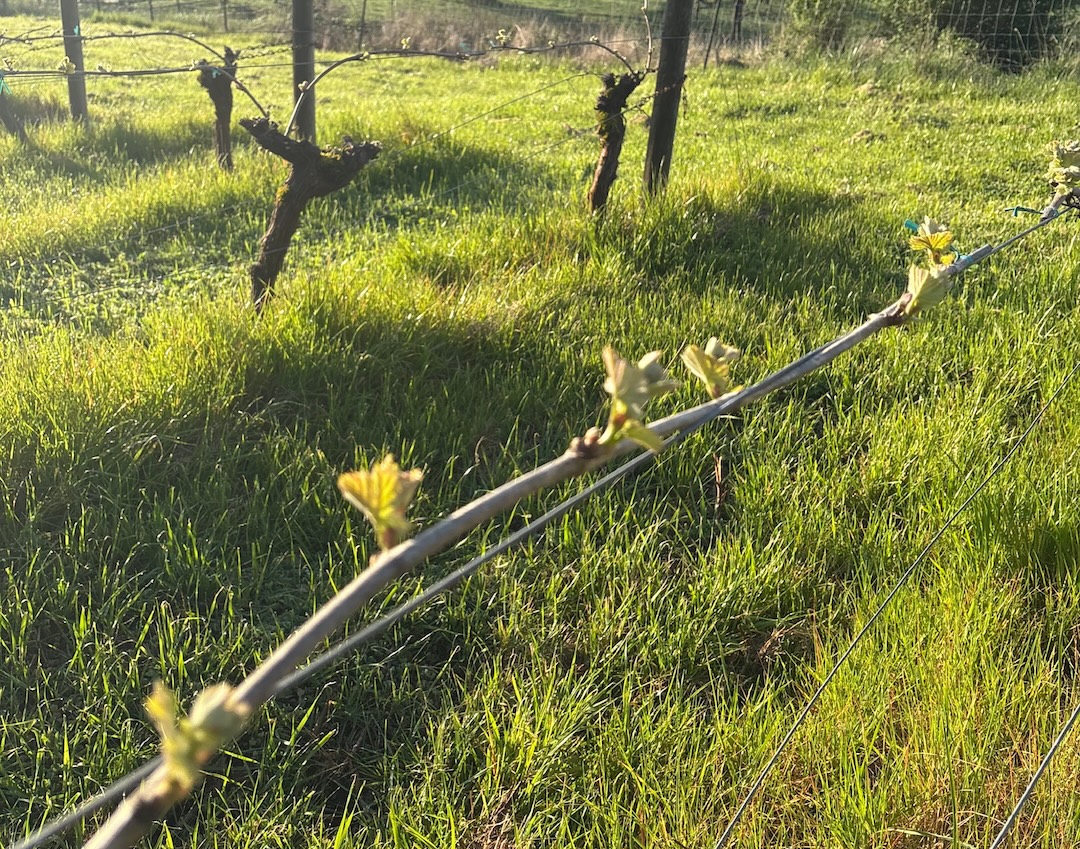
Each year in the vineyard begins quietly—almost imperceptibly—until suddenly, it doesn’t. Budbreak in the vineyard is that moment. After months of winter dormancy, the vines awaken, pushing out tiny, delicate shoots that signal the official start of a new growing season. At Natalie’s Estate Winery, this stage marks the beginning of a new vintage and sets the tone for everything that follows.
What Is Budbreak?
Budbreak in the vineyard occurs in early spring when temperatures rise, and vines emerge from dormancy. Dormant buds—formed during the previous growing season—begin to swell and open, revealing the first signs of life. Inside each bud is the potential for shoots, leaves, and eventually grape clusters.
In the Willamette Valley wine region, budbreak typically takes place between late March and mid-April, depending on seasonal conditions. This variation is part of what makes each vintage unique, reinforcing why the wine growing season in Oregon is closely watched year after year.
The Beauty of New Growth
There is something magical about walking through the vineyard during budbreak. Bare vines transform into vibrant rows of green almost overnight. The fresh shoots are soft, bright, and full of promise.
For winemakers, vineyard budbreak offers early insight into the season ahead. The number and strength of shoots can hint at yield potential and vine balance. This is the first chapter in the story of the vintage—one filled with optimism and anticipation.
For boutique wineries in Oregon, like Natalie’s Estate, these details matter. Small-lot winemaking allows us to observe and respond to each vine, ensuring that early growth translates into balanced, expressive wines.
The Risk Behind the Renewal
While budbreak is beautiful, it is also one of the most vulnerable stages in the vineyard cycle.
Spring weather in Oregon is unpredictable, and frost is the greatest concern during this time. Those tender shoots can be damaged or destroyed by a single cold snap. This makes spring vineyard frost risk one of the most critical challenges growers face.
Protecting the vines requires vigilance—monitoring temperatures, tracking weather shifts, and sometimes implementing protective measures. In the Willamette Valley wine region, where cool-climate conditions shape elegant wines, this balance between risk and reward is part of what defines the character of each vintage.
A Foundation for the Vintage Ahead
Budbreak in the vineyard is more than just a seasonal milestone—it lays the groundwork for the entire year. Every stage that follows—flowering, fruit set, veraison, and harvest—depends on how the vines begin.
Strong, even budbreak supports healthy canopy development and balanced fruit exposure, both essential for producing high-quality wines. This is why sustainable winery practices in Oregon focus so heavily on early-season vineyard care.
At Natalie’s Estate Winery, our commitment to sustainability and thoughtful farming ensures that each vintage begins with intention. From soil health to vine management, every decision made during budbreak influences the final wine in your glass. You can read about our Sustainable Practices here.
The Start of Something Special
Budbreak is a moment of renewal—a quiet but powerful beginning. It reminds us that great wine starts long before harvest, rooted in patience, observation, and respect for the land.
Each vintage tells a new story, shaped by nature and guided by the hands that care for the vineyard. And it all begins here—with the first fragile leaves unfolding in the spring sunlight.
We invite you to experience the season with us. Whether you’re visiting the Willamette Valley for wine tasting experience or following along from afar, budbreak offers a glimpse into the artistry behind every bottle.
Join us for a wine tasting! You can schedule your tasting through this link.
More about Natalie’s Estate:
Read about what to expect during a Winemaker-Led Tasting.
What to expect during Barrel Tasting, one of our guests favorite experiences.
Learn why we embrace Old-World Winemaking Practices.
We’ve embraced Regenerative Farming practices, read more here.