
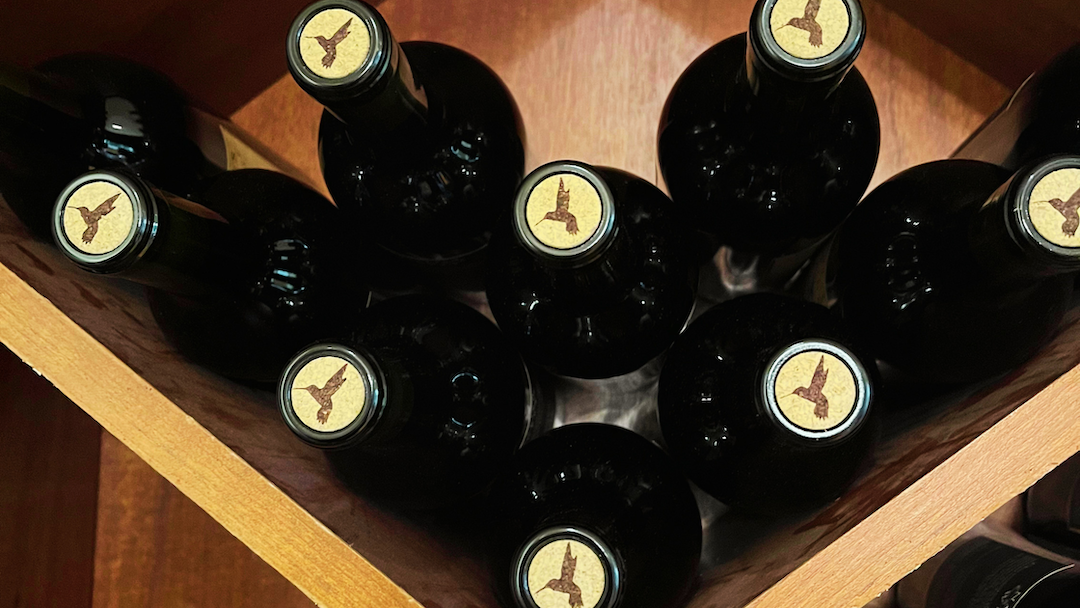
Proper wine storage can make the difference between a bottle that delights and one that disappoints. Whether you’re building a collection or simply saving a few favorites, understanding how to store wine correctly helps preserve flavor, aroma, and structure. At Natalie’s Estate Winery, we often hear from guests who are surprised by how much storage conditions matter. Here are five common mistakes people make—and how to avoid them.
1. Storing Wine at the Wrong Temperature
One of the most common mistakes is storing wine in spaces that are too warm or experience temperature fluctuations. Heat can cause wine to age prematurely, flattening its flavors and aromas.
How to avoid it:
Wine is best stored between 50–60°F. Consistency matters more than perfection—so avoid places like kitchens or garages where temperatures shift often. A dedicated wine fridge or a cool, dark closet works well for maintaining ideal conditions for wine storage best practices.
2. Leaving Wine in a Car (Especially in Warm Weather)
It’s easy to forget a bottle in the car after a day of errands or a visit for wine tasting in the Willamette Valley—but this can quickly ruin your wine. Temperatures inside a parked car can rise dramatically, even on mild days, effectively “cooking” the wine. This can lead to muted flavors, pushed corks, or even leakage.
How to avoid it:
Always bring your wine indoors as soon as possible. If you’re planning multiple stops, consider bringing an insulated bag or cooler to protect your bottles. This is an often-overlooked but essential part of how to store wine at home and preserve quality from the moment you purchase it.
3. Exposing Wine to Light
Sunlight and even strong indoor lighting can damage wine over time. UV rays can break down delicate compounds, leading to what’s often called “lightstruck” wine.
How to avoid it:
Store your bottles in a dark place or use UV-protected glass storage. This is especially important for lighter wines and sparkling bottles. At Natalie’s Estate Winery, we recommend keeping your collection in a shaded or dark area to learn how to store wine safely at home.
4. Storing Bottles Upright for Too Long
While it’s fine to keep wine upright for short periods, long-term storage in this position can dry out the cork. A dry cork allows air to seep into the bottle, which can oxidize the wine and spoil it.
How to avoid it:
Store bottles on their sides so the wine keeps the cork moist. This simple adjustment is a key part of proper wine storage techniques and helps preserve the wine’s integrity over time.
5. Ignoring Humidity Levels
Too little humidity can dry out corks, while too much can lead to mold and damaged labels. Both extremes can impact your wine collection.
How to avoid it:
Aim for humidity levels around 60–70%. If you’re storing wine long term, a wine fridge or cellar often regulates humidity automatically. Balanced humidity is essential for maintaining quality, especially if you’re investing in bottles from a boutique winery in Oregon like ours.
6. Storing Wine Near Vibrations or Movement
Wine needs a calm, stable environment. Constant movement or vibration—like from appliances or heavy foot traffic—can disturb the sediment in wine and interfere with the aging process.
How to avoid it:
Choose a storage spot away from washers, dryers, or high-traffic areas. Keeping your wine undisturbed supports proper aging and ensures the best experience when you’re ready to enjoy it—whether it’s after a visit to a wine tasting in Newberg, Oregon, or a special occasion at home.
Final Thoughts
Storing wine correctly doesn’t require a full cellar—but it does require attention to detail. By avoiding these common mistakes, you can protect your investment and enjoy every bottle as the winemaker intended.
At Natalie’s Estate Winery, we believe great wine deserves thoughtful care from vineyard to glass. If you’re building your collection after a memorable wine tasting in the Willamette Valley, take a few simple steps to store your bottles properly—and you’ll taste the difference.
More about Natalie’s Estate:
Read about what to expect during a Winemaker-Led Tasting.
Learn tips for Spring Entertaining: Food Pairings ideas for Sauvignon Blanc and Pinot Noir.
Tips for Storing and Serving Wine during Summer Months