
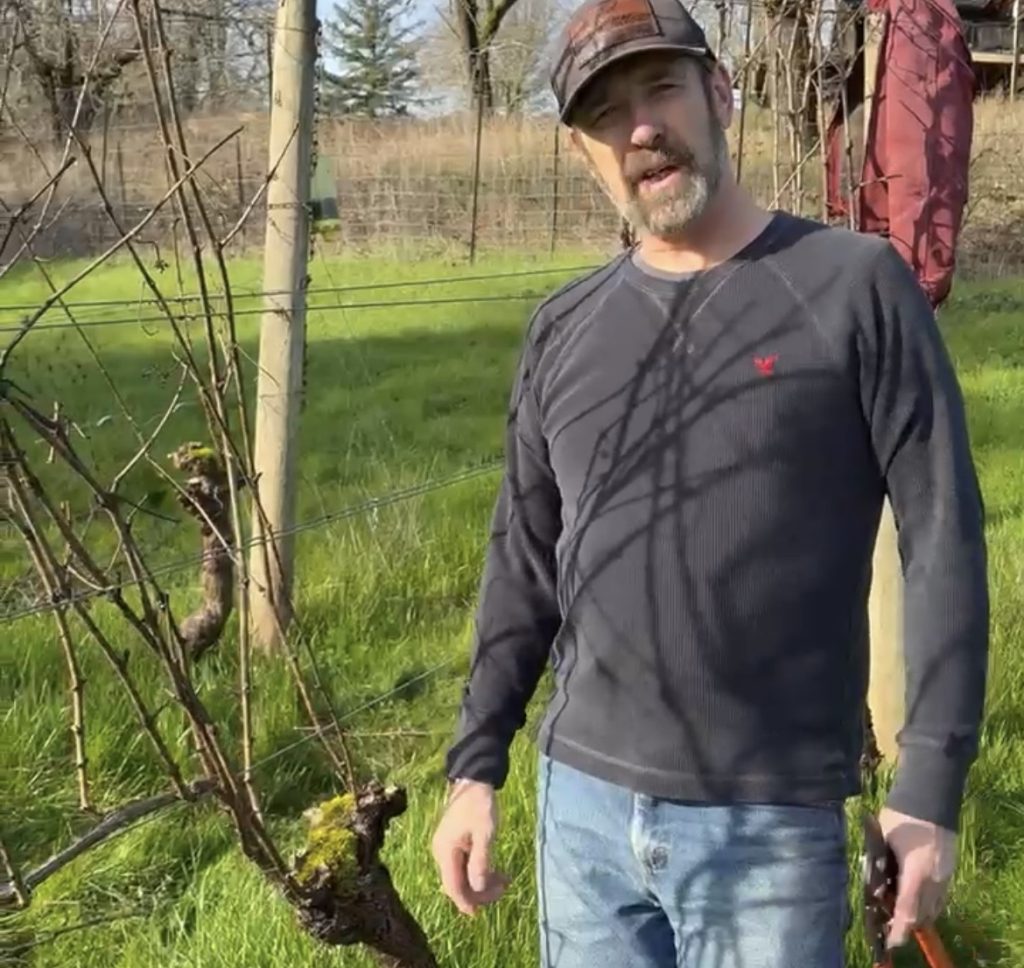
At Natalie’s Estate Winery, we believe exceptional wine begins in the vineyard — long before harvest. One of the most important steps in crafting balanced, expressive wines is vineyard pruning.
If you’ve ever asked why prune grapevines, the answer is simple: pruning directly determines fruit quality, vine balance, and long-term vineyard health. In fact, how pruning affects wine quality can be tasted in every glass.
As a boutique Oregon winery, we approach grapevine pruning with intention — because great wine is grown first.
What Is Vineyard Pruning?
Vineyard pruning is the process of cutting back last season’s growth during dormancy. This essential winter vineyard work generally takes place between January and early March in the Willamette Valley.
Each grapevine produces canes with multiple buds. Every bud has the potential to grow a shoot, and each shoot can produce grape clusters. Without pruning, vines would overproduce fruit and excessive canopy growth, diluting the flavor of the grapes.
Through careful grapevine pruning, we control the number of buds left on each vine. This allows us to focus on balancing yield in vineyards and producing low-yield, high-quality wine grapes — a hallmark of thoughtful vineyard management that Oregon wineries rely on for premium results.
How Pruning Affects Wine Quality
The relationship between vineyard pruning and wine quality is direct.
Each vine stores a limited amount of energy. If too many buds are left:
- The vine overcrops
• Flavors become diluted
• Ripening is delayed
If too few buds are left:
- The vine becomes overly vigorous
• Excess canopy shades fruit
Proper balancing of yield in vineyards ensures:
- Concentrated flavors
• Vibrant acidity
• Refined tannins
• Improved aging potential
The structure and balance of the wine you enjoy while tasting our wine actually began months earlier, with precise pruning decisions.
Vineyard Management in Oregon’s Climate
Effective vineyard management in Oregon requires adapting to a cool-climate growing region. Strategic vineyard pruning improves airflow and sun exposure, helping reduce mildew risk and support even ripening.
At Natalie’s Estate Winery, pruning is foundational to both wine quality and long-term vineyard health. As a winery committed to sustainability, we view pruning as part of responsible land stewardship.
Winter Vineyard Work: Craftsmanship in Action
This quiet season of winter vineyard work shapes the entire vintage. Without leaves or fruit present, pruning requires foresight and experience.
Each cut influences:
- This year’s fruit concentration
• Vine structure for future seasons
• Overall vineyard longevity
Producing low yield high quality wine grapes starts here — in the cold months when the vineyard appears still but is being carefully prepared for the year ahead.
From the Vineyard to Your Glass
When you visit our boutique winery in Newberg, Oregon, for a Willamette Valley wine tasting, you are experiencing the result of thoughtful vineyard pruning.
The balance in a structured red.
The vibrancy in a fresh vintage.
The elegance that defines estate wines.
Excellent wines begin with careful grapevine pruning and intentional vineyard management.
At Natalie’s Estate Winery, we believe every vintage starts with intention — and pruning is where that intention takes shape. Experience these wines for yourself at a seated wine tasting.
Wondering what to expect from a winemaker-led tasting? Read about it here.
Sustainability in Action at
Natalie’s Estate Winery
We are committed to sustainability in all aspects of farming and wine production.
We have cultivated half of our property in vineyards while leaving the other half wild to support the wildlife that call this place home.
With our transition to Regenerative Farming practices, we do not “till” the soil, which disturbs the valuable microorganisms living in the dirt, which nourish the vines.
Sustainable farming isn’t just about this year’s harvest — it’s about protecting the vineyard ecosystem for decades to come. You can read more about our Passion for Sustainability here.